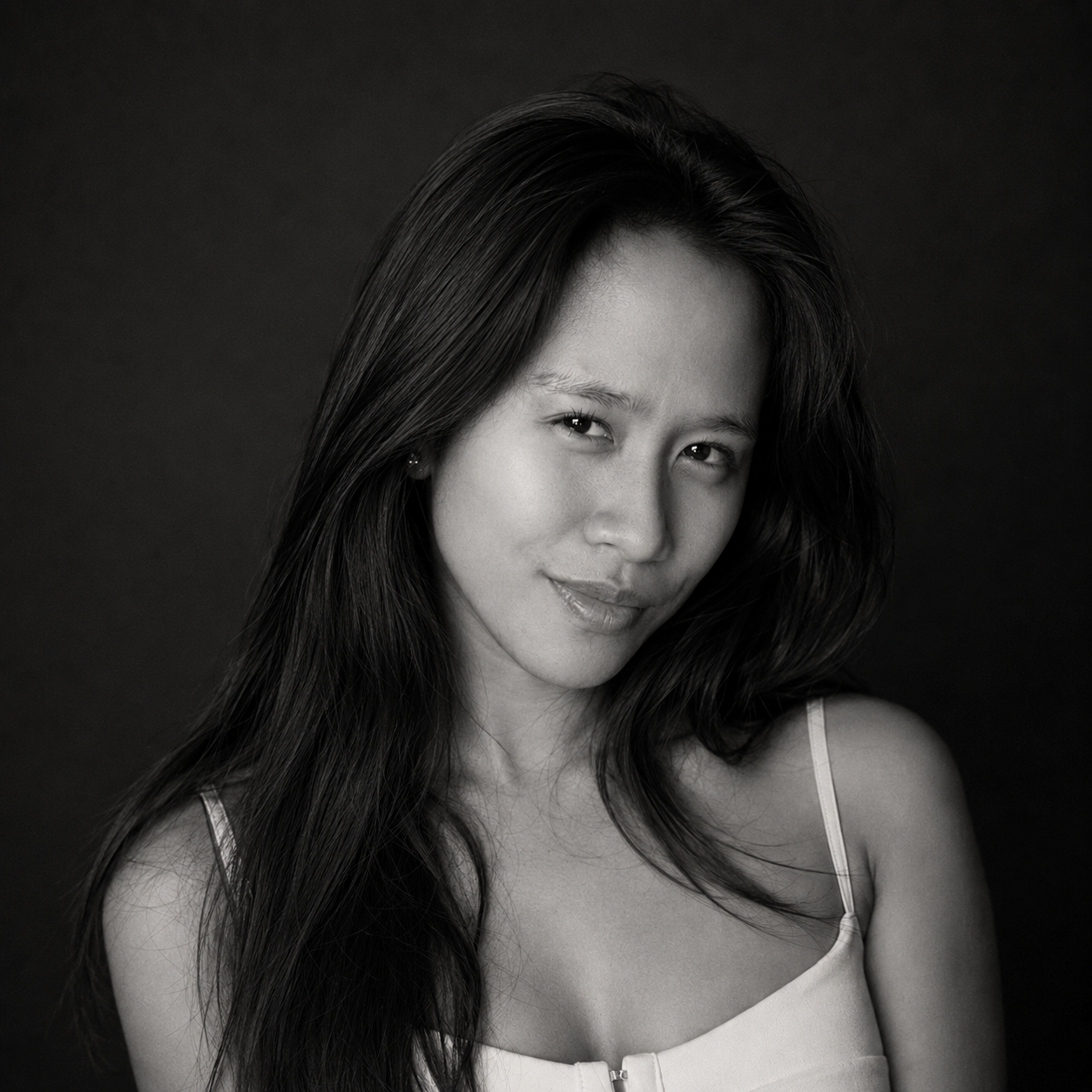
Hi, I’m Sharmaine
I notice the quiet things.
The conversations that stay with us.
The patterns we almost miss.
The moments that slowly change who we become.
Welcome to Bliss Notes ~
a collection of reflections on healing, relationships, intuition, and becoming more human.
꩜ Receive a note
Bliss Notes #33
Sometimes healing doesn’t look like becoming someone new.
Sometimes it looks like remembering who you’ve been all along.
I didn’t create Bliss Notes because I have all the answers.
I created it because paying attention has changed my life.
Writing helps me understand.
Sharing helps me remember.
If these notes help someone else feel a little less alone, then they’ve done their job.
꩜ Read Bliss Notes
What you”ll find here
- Some notes are about healing.
- Others are about difficult conversations.
- Some begin with a walk outside.
- Some begin with a question I can’t stop asking.
- They’re all invitations to pay closer attention.
If our paths cross beyond the page
- Sometimes writing isn’t enough.
- Sometimes people want someone to sit with them.
- That’s why I also offer:
- Reiki
- Mentorship
- Business Consulting
- Each begins with the same belief: Understanding comes before transformation.
Connect
sharmainenicolepasion@gmail.com
Instagram / LinkedIn / Facebook
 Sharmaine Nicole Pasion